For the longest time, your website was the sun in your marketing solar system. It was the center of the plan, the single source of truth, the place where you put your best foot forward and told your story.There was one search engine that mattered, Google, and if you could figure out how to rank there, you got clicks, traffic and new customers. If you weren't showing up, you could buy ads to get in front of people.
That was digital marketing. And for a long time, it worked.
I built my first website around 1996 and I've built a career in digital marketing ever since. I've seen plenty of shifts in those decades but this one feels different. Many of the things we've taken for granted are changing at the same time, and fast.
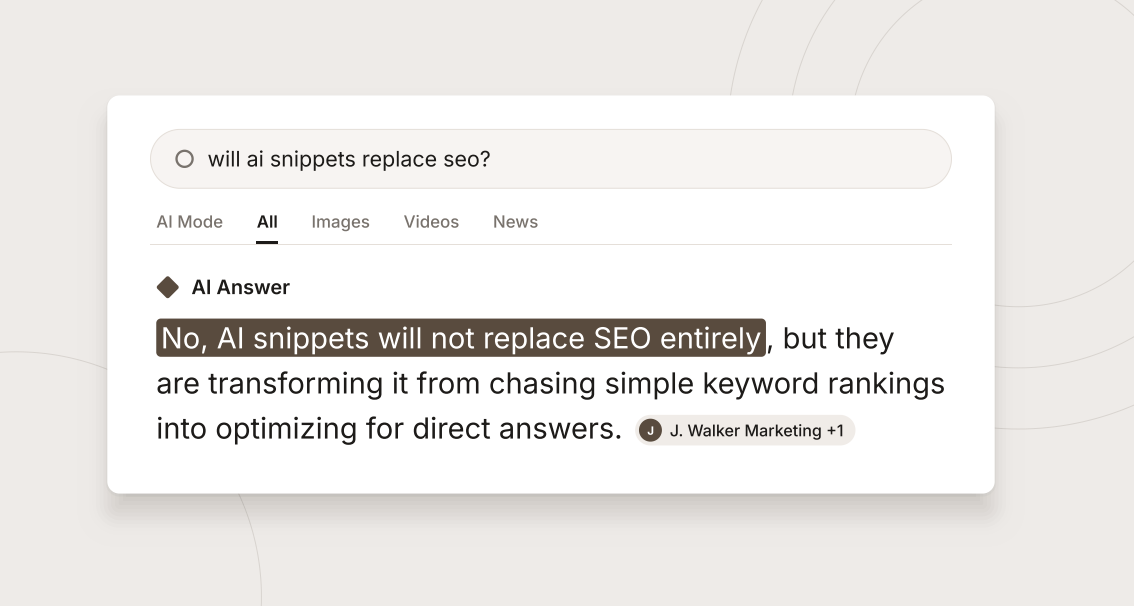
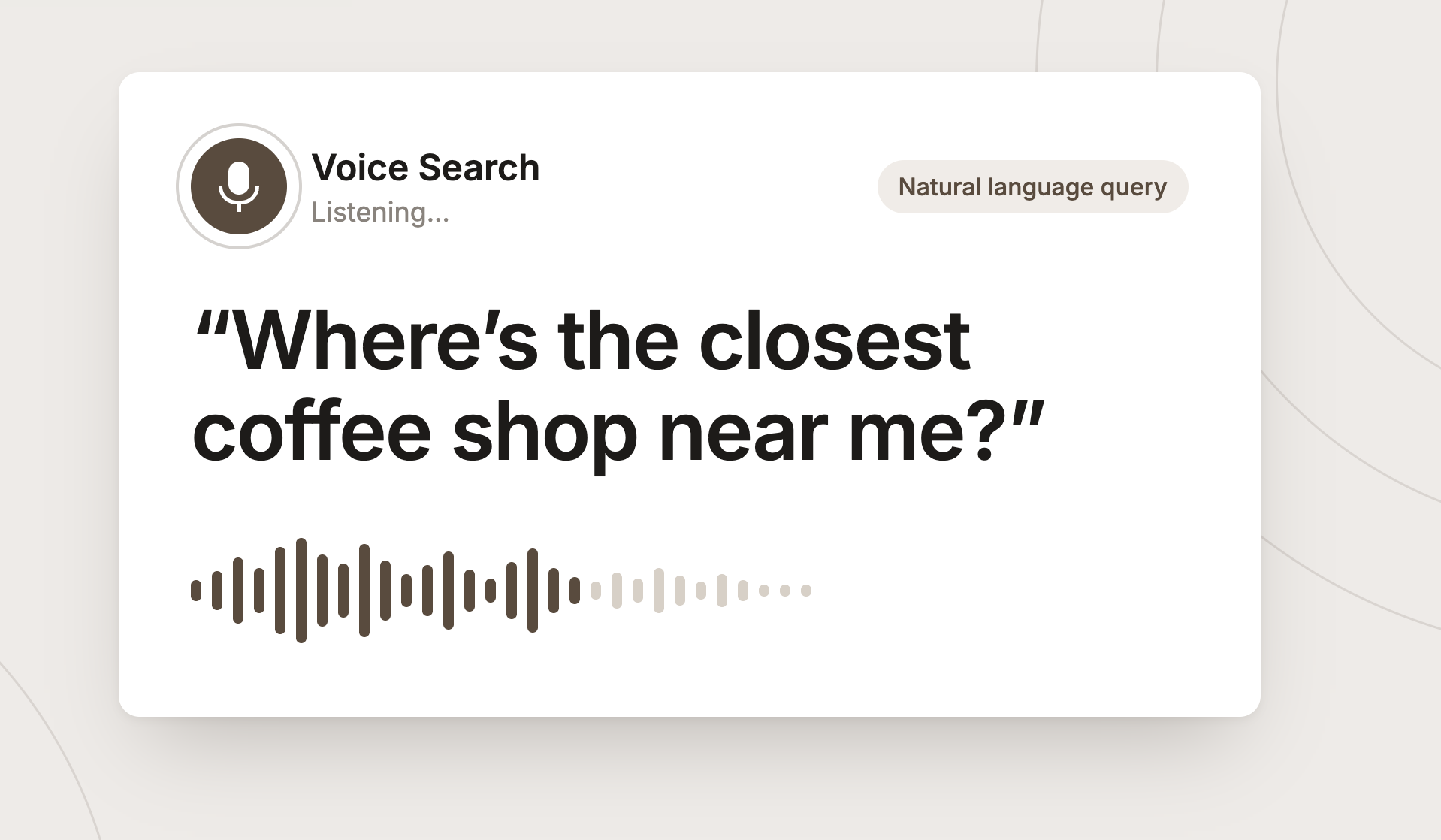
Three shifts happening at once Search is becoming an answer, not a list of links. Google used to be the Yellow Pages: you searched, found a link and clicked through to the answer. Now the answer is often right there on the results page. SparkToro's latest research found that 68% of U.S. Google searches in early2 026 ended without a click, up from about 60% in 2024. Pew Research found that when Google shows an AI summary, people click a link about half as often (8% of the time versus 15%), and they click a link inside the summary itself just 1%of the time.
SEO no longer guarantees traffic. Organic search used to be the way to earn visibility without paying Google directly. Today, spending heavily for the chance to appear in a summary nobody clicks may not pay off. The rules are still being written.
Customers are uneasy. This may be the biggest part of the story. The University of Michigan's consumer sentiment index fell to 48.1 in September, nearly 13% lower than a year ago and below where it stood at the start of each of the last six recessions. When customers are unsettled, marketing becomes harder to predict. I wrote more about this in a recent post.
So where does that leave us? Here's where I'm focusing my clients' time and budgets right now.
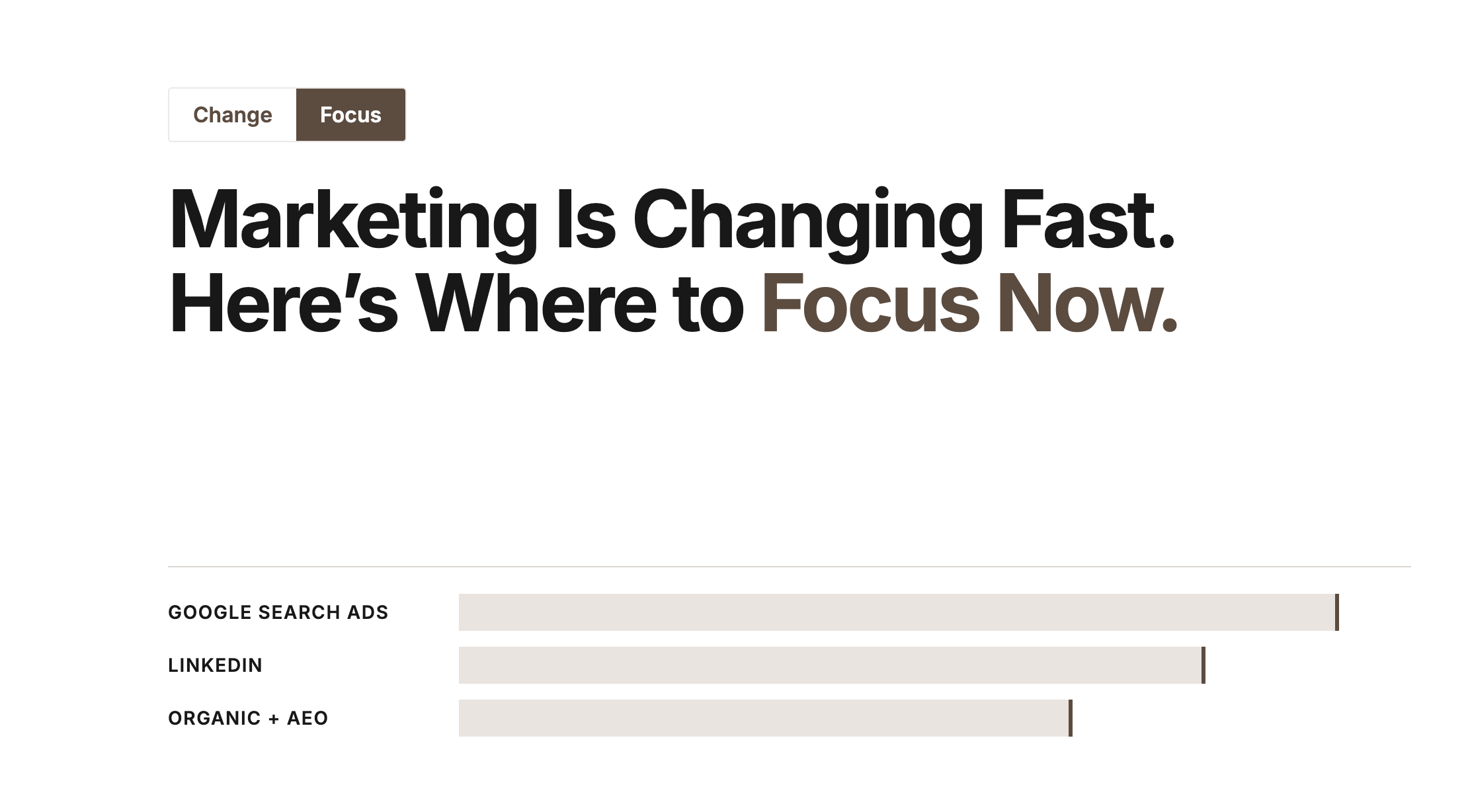
Google search still matters Google is not going away. Alphabet reported Search revenue of $63 billion in the second quarter of 2026, up 17% from a year earlier, and the company says its AI features are driving more searches, not fewer. Yes, more searches end without a click. But a huge number still end with one, and those people are often ready to act. That's why Google Ads search campaigns remain a staple of nearly every marketing plan I build.
Organic visibility: do the basics well How to get found organically is hotly debated right now. Here's what I know.
Your website still has to do the basics well. It needs toload fast, offer genuinely useful content and be set up so Google can find andunderstand it. Ensuring that is worth the investment.
As for "answer engine optimization," the new term for showing up in AI answers, the best approach looks a lot like good marketing. Keep a strong website, publish relevant content on a steady schedule and use PR to earn mentions in the publications and sites AI tools draw from.Do those things well and you give yourself a good chance of becoming part of the answer.
LinkedIn is where your buyers are LinkedIn has more than a billion members, and for B2B companies it is full of potential customers. Used both organically and as a paid channel, it is critical to many B2B campaigns. The ability to target by job title, industry and specific companies is something no other platform does as well, and I've used it to my clients' advantage many times.
A tactic I've moved away from: geofenced mobile ads Not every channel deserves a spot in the plan. I've run many geofenced mobile campaigns over the years, especially ones targeting trade show attendees, and I've soured on them. They sound narrowly targeted because they reach a specific location, but in practice you reach everyone at the show with location services turned on, and most of those people aren't your customer. You're also showing tiny mobile ads to people who are completely absorbed in the show. I've stopped recommending them, and there are better ways to reach that audience.
Email is the gift that keeps on giving Email is old and not very complicated, and it still works. In Litmus's most recent State of Email survey, 70% of marketers reported a return of at least $10 for every dollar spent on email. And unlike search or social, you own the list. If you can funnel past customers and new leads into an email list and stay in touch with them over time, it will be well worth the effort.
The bottom line Marketing is changing faster than at any point I can remember. The answer isn't to chase every new tool or to abandon what works. It's to put your energy where your customers actually are: in the searches that still lead to action, on the platforms where your buyers spend their time and in the inbox you own.
If you're rethinking your marketing plan in light of allthis, let’s talk it through.